What Landlords Need to Know Before Listing an Occupied Property
The decision sounds simple at first.
You own a rental property. Maybe circumstances changed. Maybe maintenance costs increased, or investment goals shifted. Selling feels like the next logical move. Then reality sets in. There are still tenants inside.
Suddenly, questions start piling up. Can the house even be sold? Do tenants have to leave first? What happens to the lease? Will buyers avoid occupied homes?
The good news is this: selling a house with tenants is completely possible. It simply requires planning, communication, and understanding the options available.
Many homeowners and landlords successfully sell occupied properties every year. The difference usually comes down to preparation and realistic expectations.
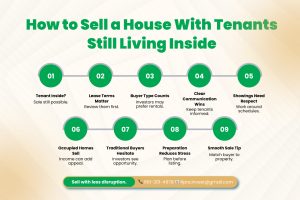
Key Takeaways
- Landlords can legally sell rental homes while tenants still live inside.
- Lease agreements and tenant rights affect timelines.
- Communication often makes the process smoother.
- Investors may view occupied rentals as opportunities rather than obstacles.
Can You Sell a Tenant Occupied Home?
Yes, absolutely.
Selling a house with tenants is legal and often more common than many landlords realize.
However, there is one important detail:
The lease agreement matters.
If tenants have an active lease, buyers may need to honor it until expiration depending on local laws. Month to month arrangements usually provide more flexibility.
This means the process often depends on:
- Lease type
- Local landlord laws
- Buyer intentions
- Tenant cooperation
For some buyers, an occupied home feels inconvenient.
For others, especially investors, existing tenants may actually be attractive.
A performing rental can represent immediate income.
Why Some Buyers Actually Prefer Tenant Occupied Homes
Traditional buyers often want empty houses.
They imagine decorating, moving furniture, and settling in immediately.
Investors think differently.
Many prefer a tenant occupied property because rent already exists. There is no need to search for tenants, advertise vacancies, or wait for income.
That stability can make a rental property sale surprisingly appealing.
Instead of asking:
“When can I move in?”
An investor may ask:
“How reliable are the tenants?”
The Biggest Challenge: Communication
Here is where many landlords struggle.
Nobody enjoys surprises.
Tenants often worry about:
- Being forced to move suddenly
- Increased rent
- New landlords
- Frequent showings
Clear communication reduces tension.
Explaining the timeline honestly often improves cooperation significantly.
According to the National Association of Realtors, transparency during property transactions often improves outcomes and reduces misunderstandings between parties involved in home sales. National Association of Realtors Research
When selling a house with tenants, respectful communication often matters as much as pricing.
Common Selling Options for Landlords
| Option | Best For | Benefit | Possible Challenge |
| Sell With Tenants Staying | Investors | Rental income continues | Smaller buyer pool |
| Wait Until Lease Ends | Traditional buyers | Broader market appeal | Longer timeline |
| Offer Tenant Incentives | Faster vacancy | Easier showings | Added expense |
| Sell Direct to Investors | Quick timeline | Less disruption | Different pricing expectations |
Many landlords facing a landlord selling house situation choose based on urgency.
If speed matters, investor buyers often simplify the process.
If maximizing price matters more, waiting for lease completion may make sense.
Do Tenants Have To Leave Before Selling?
Not always.
This is one of the biggest misconceptions.
Selling a house with tenants in it does not automatically mean eviction.
In many cases:
- Leases transfer to the new owner
- Tenants remain until contracts expire
- Buyers continue rental agreements
Local laws vary, but legal protections often exist for tenants.
That means landlords should review lease terms carefully before making decisions.
What Most Landlords Get Wrong
Many assume tenants automatically ruin selling chances.
Not true.
Some buyers specifically search for occupied rentals. In fact, a rental property sale sometimes moves faster with paying tenants already in place. The bigger issue is usually presentation.
If tenants cooperate with cleanliness and showings, selling becomes easier. If communication breaks down, delays often follow. As real estate investor Barbara Corcoran once said:
“The difference between successful people and others is how long they spend time feeling sorry for themselves.”
In real estate, proactive communication often solves problems faster than frustration.
A Familiar Landlord Scenario
Imagine someone owning a rental property for years. The property produces income, but maintenance costs rise. Selling feels like the right next step. The challenge? Reliable tenants still live inside.
Instead of forcing immediate changes, the owner communicates clearly, works around tenant schedules, and targets investors interested in occupied homes.
The property sells without vacancies or major disruption. This is more common than many landlords expect.
How To Prepare Before Listing
Preparation creates smoother results.
Before selling a house with tenants, consider:
- Review lease agreements carefully
- Communicate plans respectfully
- Schedule reasonable showing times
- Understand tenant rights locally
- Decide what type of buyer fits best
Simple planning prevents larger complications later.
Landlords navigating selling and buying house decisions often find occupied property sales easier when expectations remain realistic.
Some homeowners also choose to sell my house to investors because investor buyers are often comfortable purchasing occupied rentals.
Others trying to sell distressed property fast sometimes combine tenant-occupied sales with direct investor negotiations.
And in situations involving larger repairs, homeowners who sell fire damaged house or sell hoarder house properties often work directly with experienced buyers.
Should You Sell To Investors?
Sometimes yes.
Many investors specifically look for occupied rentals because income already exists.
This is especially helpful if:
- Tenants are reliable
- Repairs are needed
- Speed matters
- Traditional buyers feel limited
A tenant occupied property may actually feel more valuable to buyers focused on long-term rental returns.
The key is understanding who your ideal buyer really is.
Conclusion: Selling With Tenants Is Possible
At first, selling a house with tenants may feel complicated.
But the reality is much simpler.
The lease, tenant communication, buyer type, and timeline usually shape the experience more than anything else. While some traditional buyers prefer vacant homes, many investors actively seek occupied rentals with stable income.
For landlords exploring options or looking for a smoother process, Pennington Real Estate Investments helps property owners understand realistic next steps while minimizing disruption.
Call 661-201-4978 or email Rpre.invest@gmail.com to discuss your property and available options.
Frequently Asked Questions
- Can I legally sell a rental house with tenants inside?
Yes. In many situations, homes can be sold while tenants continue living there. - Do tenants have to move before the sale?
Not always. Existing leases often transfer to the new owner. - What makes tenant-occupied homes harder to sell?
Scheduling showings and tenant cooperation sometimes create extra challenges. - Should landlords sell to investors?
Sometimes. Investors may value occupied rentals because income already exists. - How do I make the process smoother?
Clear communication and respecting tenant schedules often improve outcomes.