A Homeowner’s Guide to Spotting Red Flags and Selling With Confidence
At first, it sounds simple.
You fill out a form online.
A buyer calls within minutes.
They promise a fast closing, no repairs, no fees, and cash in hand.
Honestly, it sounds almost too easy.
And sometimes, unfortunately, it is.
The reality is this: many honest companies help homeowners sell your house for cash safely and quickly. But like any industry involving large financial decisions, bad actors exist too.
That does not mean homeowners should panic.
It means homeowners should know what to watch for.
Because the difference between a smooth transaction and a stressful mistake often comes down to spotting warning signs early.
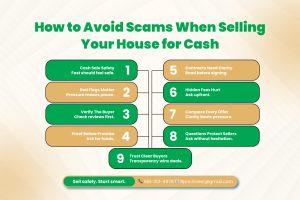
Key Takeaways
- Legitimate cash buyers exist, but scams happen.
- Pressure tactics and unclear contracts are major warning signs.
- Research and transparency protect homeowners.
- Asking the right questions prevents costly mistakes.
Why Cash Home Sales Sometimes Attract Scams
Selling a house quickly often happens during stressful situations.
Maybe someone inherited a property. Maybe repairs feel overwhelming. Maybe mortgage payments are behind.
Urgency creates vulnerability. Scammers know this.
That is why some dishonest companies target homeowners desperate to sell your house for cash quickly.
They may promise unrealistic prices, pressure rushed signatures, or hide fees deep in paperwork. The goal? Confusion. The more rushed someone feels, the easier poor decisions become.
What Legitimate Cash Buyers Usually Look Like
Not every fast sale company is suspicious.
In fact, many trusted home buyers provide fair offers, clear timelines, and honest communication.
Legitimate companies usually:
- Explain the process clearly
- Put agreements in writing
- Allow time for review
- Answer questions openly
- Avoid extreme pressure tactics
Transparency matters.
If someone becomes defensive when asked basic questions, that is usually worth noticing.
Warning Signs You Should Never Ignore
A good rule:
If something feels rushed, confusing, or strangely secretive, pause.
Here are some common warning signs homeowners should watch carefully.
| Red Flag | Why It Matters | Safer Alternative |
| Pressure To Sign Immediately | Limits review time | Ask for written documents |
| No Proof Of Business | Hard to verify legitimacy | Research online presence |
| Vague Pricing | Hidden deductions possible | Request a clear breakdown |
| Upfront Fees | Risk of losing money | Reputable buyers explain costs |
| Refusal To Answer Questions | Lack of transparency | Compare multiple buyers |
Many fake home buyers rely on confusion more than anything else.
Questions usually expose weak businesses quickly.
What Questions Should Homeowners Ask?
If someone wants to sell your house for cash, asking smart questions matters.
Here are a few worth asking:
- How do you calculate offers?
- Are there hidden fees?
- Who handles closing?
- Can I review the paperwork first?
- What happens if delays occur?
Simple questions often reveal a lot. Legitimate buyers usually answer comfortably. Scammers often avoid specifics.
The Most Common House Selling Scams
Not all scams look obvious. Some appear surprisingly professional. Here are a few examples of house selling scams homeowners should understand:
The Bait And Switch Offer
A buyer promises one number.
Then suddenly lowers the price days before closing, hoping pressure forces acceptance.
Fake Proof Of Funds
Some buyers claim cash availability but cannot actually close.
Weeks get wasted while the homeowner loses opportunities.
Hidden Contract Clauses
Certain agreements include unexpected fees, penalties, or assignment loopholes.
Reading matters carefully.
According to the Federal Trade Commission, consumers facing real estate or financial scams should carefully verify businesses and review contracts before signing. Federal Trade Commission Consumer Advice
Knowing how to avoid real estate scams often begins with slowing down long enough to verify information.
What Most Homeowners Get Wrong
Many people assume the highest offer automatically means the best deal.
Not always.
Sometimes, unrealistic pricing becomes bait.
Reliable buyers often prioritize transparency over flashy promises.
A slightly lower offer from trusted home buyers may feel safer than an inflated number surrounded by uncertainty.
As investor Warren Buffett famously said:
“Risk comes from not knowing what you’re doing.”
That applies to real estate too.
Understanding the process reduces risk dramatically.
A Familiar Homeowner Situation
Imagine someone inherits an older property needing repairs. Several buyers appear online. One pushes immediate paperwork and vague promises.
Another explains the timeline clearly, shares documentation, and answers questions openly. The homeowner chooses clarity instead of pressure. The sale finishes smoothly.
This happens more often than people realize. Especially when homeowners feel pressure around selling your house for cash situations.
Practical Ways To Stay Protected
Before you sell your house for cash, consider this simple checklist:
- Research company reviews
- Verify contact information
- Ask for proof of funds
- Read contracts carefully
- Compare multiple offers
- Never rush uncomfortable decisions
These small steps create major protection.
Homeowners exploring nationwide home buyers often benefit from comparing more than one company instead of accepting the first offer.
Likewise, people trying to sell inherited property fast for cash sometimes feel urgency that scammers try to exploit.
Sellers navigating quick cash home sales should pay extra attention to paperwork details before committing.
And homeowners focused on selling your home fast often feel more confident once closing terms become fully clear.
Questions like who pays closing costs should also be discussed upfront so surprises do not appear later.
Why Transparency Matters More Than Speed
Speed matters. But safety matters more. A fast timeline means very little if contracts become confusing or promises disappear later. The best cash transactions feel straightforward. Clear expectations.
Clear paperwork. Clear communication. That clarity creates confidence. And confidence protects homeowners.
Conclusion: Selling Fast Should Still Feel Safe
Choosing to sell your house for cash can absolutely be a smart solution.
For many homeowners, it reduces stress, repairs, and waiting periods. But speed should never replace caution. Taking time to research buyers, ask questions, and understand contracts often protects both peace of mind and finances.
For homeowners looking for a straightforward and transparent process, Pennington Real Estate Investments helps sellers explore practical options without pressure or confusion.
Call 661-201-4978 or email Rpre.invest@gmail.com to discuss your property and available solutions today.
Frequently Asked Questions
- How do I know if a cash buyer is legitimate?
Research reviews, verify business information, and ask detailed questions before signing anything. - Are all cash home buyer scams?
No. Many legitimate companies buy homes fairly and professionally. - What are common warning signs?
Pressure tactics, vague offers, hidden fees, and poor communication are major red flags. - Should I compare multiple offers?
Yes. Comparing options often creates better clarity and stronger decisions. - Can fast home sales still be safe?
Absolutely. The key is transparency, research, and understanding paperwork first.